.png)


IPL & Pigmentation

⭐ How IPL Works — The Basics
IPL uses broad-spectrum light (multiple wavelengths) that is absorbed by specific targets in the skin, called chromophores. The two main chromophores for skin treatments are:
Melanin (pigment)
Hemoglobin (blood in vessels)
When these targets absorb light, they heat up and are selectively damaged without harming the surrounding skin — this is called selective photothermolysis.
IPL for Pigmented Lesions (brown spots)
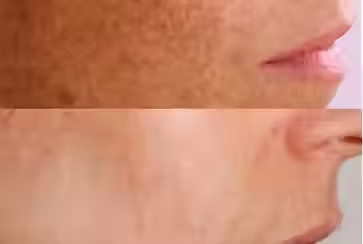
Target: MelaninExamples: Sunspots, age spots, freckles
How it works:
IPL light is absorbed by the melanin in dark spots.
The pigment heats up rapidly.
The heat breaks the pigment apart or destroys pigment-containing cells.
The spot:
May darken temporarily (this is,normal)
Then gradually flakes off or gets absorbed by the body over several days.
Best for:
Sun damage (solar lentigines)
Freckles
Post-inflammatory hyperpigmentation (with careful settings)
IPL for Vascular Lesions (redness)

Target: Hemoglobin Examples: Telangiectasia, rosacea-related redness, broken capillaries
How it works:
IPL light is absorbed by hemoglobin in blood vessels
This heats the vessel.
Heat causes the vessel walls to:
Coagulate, or
Collapse and close.
The body gradually clears the closed vessel over days to weeks.
Best for:
Facial redness
Spider veins
Rosacea flushing
Why Different Settings Are Needed
Because melanin and hemoglobin absorb different wavelengths, IPL devices use filters to select the appropriate spectrum:
Pigment: 515–560 nm filters (shorter wavelengths absorbed by melanin)
Vascular: 560–590+ nm filters (target hemoglobin deeper in the skin)
Energy levels, pulse duration, and pulse stacking are also adjusted depending on the target.
Important Notes
IPL is not ideal for deep or very dark pigment (e.g., melasma).
Not suitable for very dark skin types (risk of burns/hyperpigmentation).
Proper cooling and experienced operators are essential for safety.
If you want, I can also explain:
IPL vs laser
What parameters (fluence, pulse duration) mean
How to predict good results
Best pre- and post-care
Why it doesn’t work well on melasma
Here are more benefits
of IPL for pigment and vascular issues — explained in a clear, practical way:
BENEFITS OF IPL (BEYOND THE BASICS)
1. Treats Multiple Skin Concerns in One Session
Because IPL uses broad-spectrum light, a single pass can improve:
Pigment (brown spots)
Redness
Broken capillaries
Overall skin dullness
This makes it more efficient than single-wavelength lasers for mixed concerns.
2. Overall Skin Brightening & Even Tone
When IPL clears scattered pigment and redness, the skin looks:
Brighter
More even
“Glowier”This is why IPL is often called a photofacial.
3. Stimulates Collagen (Bonus Anti-aging Effect)
Although IPL is not primarily a collagen laser, the heat delivered into the dermis:
Activates fibroblasts
Improves fine lines
Tightens pores slightly
Softens texture
This effect is subtle but noticeable over a series of treatments.
4. Minimal Downtime Compared to Lasers
Typical recovery involves:
Slight redness for a few hours
Brown spots darken (“peppery” look) for 3–7 days
But no real downtime — most people resume normal activities immediately.
IPL can cover large areas quickly, making it ideal for:
Full face
Neck
Chest
Arms
Hands
Lasers often require more precise, slower passes.
6. Good for Maintenance After Laser or Peels
People often use IPL as:
Yearly “reset” after summer
Maintenance between more aggressive resurfacing treatments
It helps keep pigmentation and redness under control long-term.
7. Can Reduce Rosacea Flare-ups
By reducing superficial blood vessels and inflammation triggers, IPL can:

Decrease flushing
Reduce rosacea episodes
Improve skin barrier over timeMany rosacea patients do 2–3 sessions per year for control.
8. Helps with Acne (Depending on Filter Used)
Some IPL systems include:
Blue light (around 420 nm) → kills acne bacteria
Yellow/green filters → reduce redness from active pimples
Not as strong as some dedicated acne lasers but still helpful.
pigment and vessels often respond in:
1–2 sessions for mild cases
3–5 sessions for deeper or more stubborn lesions
The improvement is progressive rather than sudden.


